A Look Back at Lighting Dexter: Resurrection S1
Titan Tubes, Hyperion Tubes and LunaBulbs help Gaffer Ryan Webb, ICLS, light New York’s landmark locations and the signature kill rooms of Dexter: Resurrection.
Titan Tubes, Hyperion Tubes and LunaBulbs help Gaffer Ryan Webb, ICLS, light New York’s landmark locations and the signature kill rooms of Dexter: Resurrection.
Dexter: Resurrection finally brings longtime fans of the franchise the star-studded reboot they have been waiting for. America’s favorite fictional serial killer is back, and this time the new installment recaptures the irreverent, dark satire and blood-splatter suspense of the original series. Resurrection follows a Dexter (Michael C. Hall) who’s back to the twisted morality of his roots: but this time he’s traded Miami sunshine for a rideshare gig that lets him stalk the streets of New York City—all while keeping a watchful eye on his son, Harrison (Jack Alcott). No one said family was easy, and that’s especially true for Harrison who, if you caught Dexter: New Blood, shot his father during that series’ finale.
Miami and the Big Apple are about as different as backdrops get, and the show’s cinematography leans hard into that contrast, trading sun-bleached palettes for shadow, contrast, and the gritty, moody detail of New York City’s underbelly. Gaffer Ryan Webb, ICLS, brought his local knowledge of the city to lighting Resurrection, and that familiarity is apparent in his approach to the show’s historic, architecturally sensitive locations and the creative execution of its signature “kill rooms,” including the pivotal Empire Hotel kitchen scene. To build the lighting language of this new chapter, Webb turned to Astera LEDs.
Season one makes a meal of Dexter Morgan’s dive into New York, as the serial killer blends chameleon-like into the city of a million stories. His new identity takes Dexter from back alleys and college campuses to penthouses and mansions. The production mixed on-location work with stage sets, directly inspired by real NYC locations.
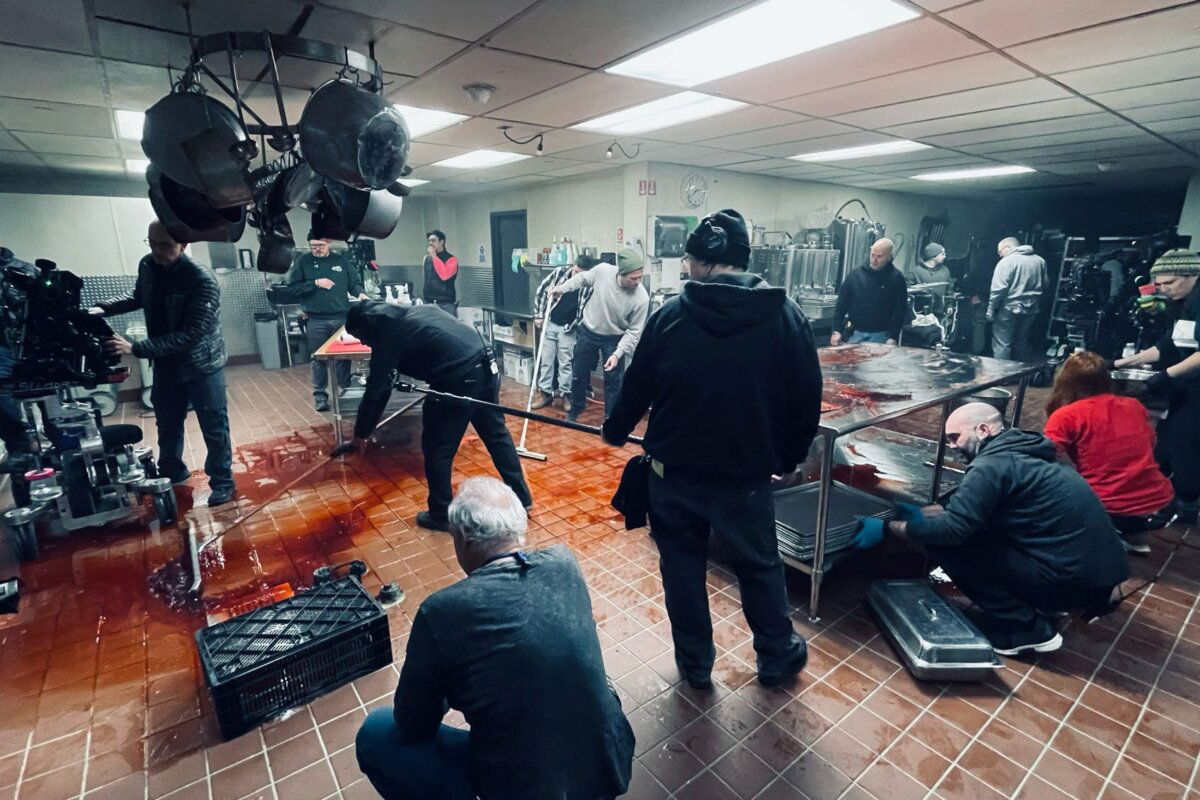
The Empire Hotel, where Harrison works as a bellhop, is one of the most important recurring set pieces in the show—and its kitchen is the setting for one of the season’s most memorable body disposal sequences: Harrison’s first kill. Roughly 48 hard-wired Titan Tubes were rigged into the drop ceiling of the actual hotel kitchen by Webb’s team, who fed cable through the walls to a central power point. Director Marcos Siega wanted an unsettling visual beat for the instant Harrison flips on the lights.
“Marcos said, ‘I want it to all stutter on. It should feel cool and uneasy because Harrison doesn’t know what he’s doing,’” Webb recalls. Programmer Justin King designed the big effect. It’s a stark shot, and the sudden brightness of the big sterile kitchen highlights how exposed and vulnerable Harrison is. The lighting stunt was the first setup shot on the season—a big challenge—but the crew nailed it in only three takes.
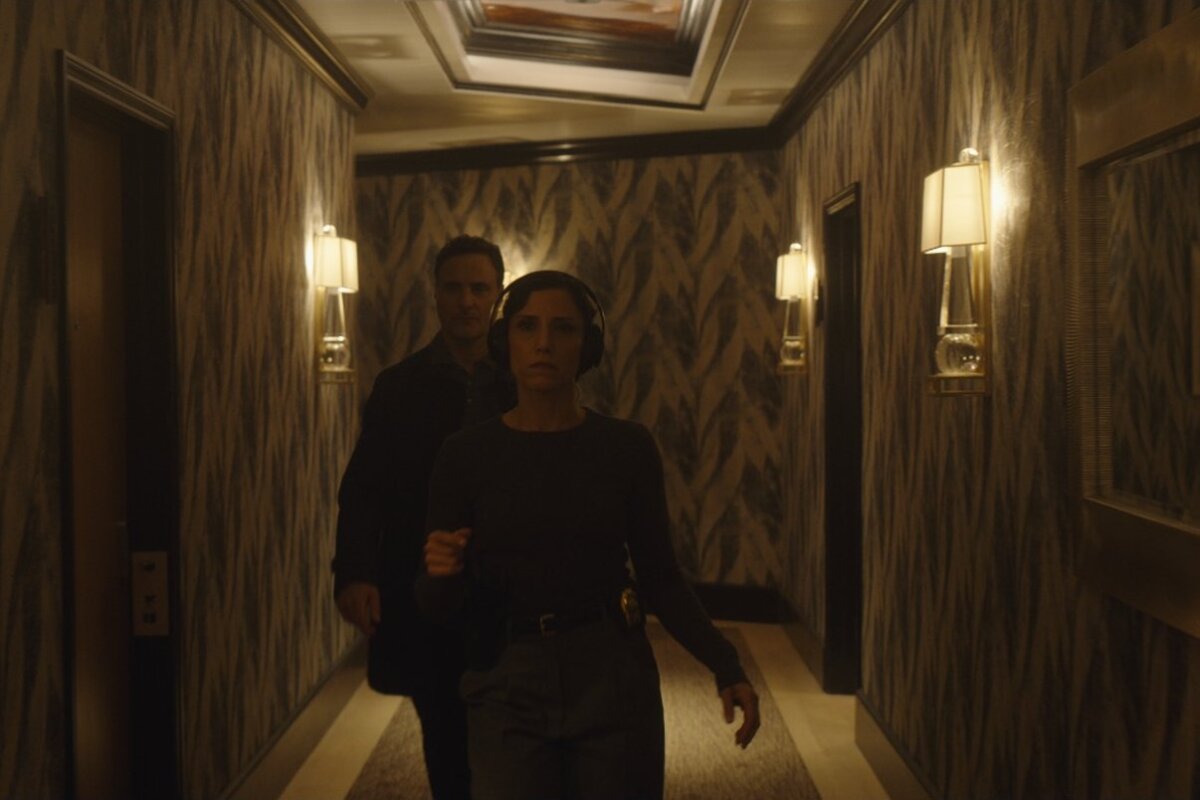
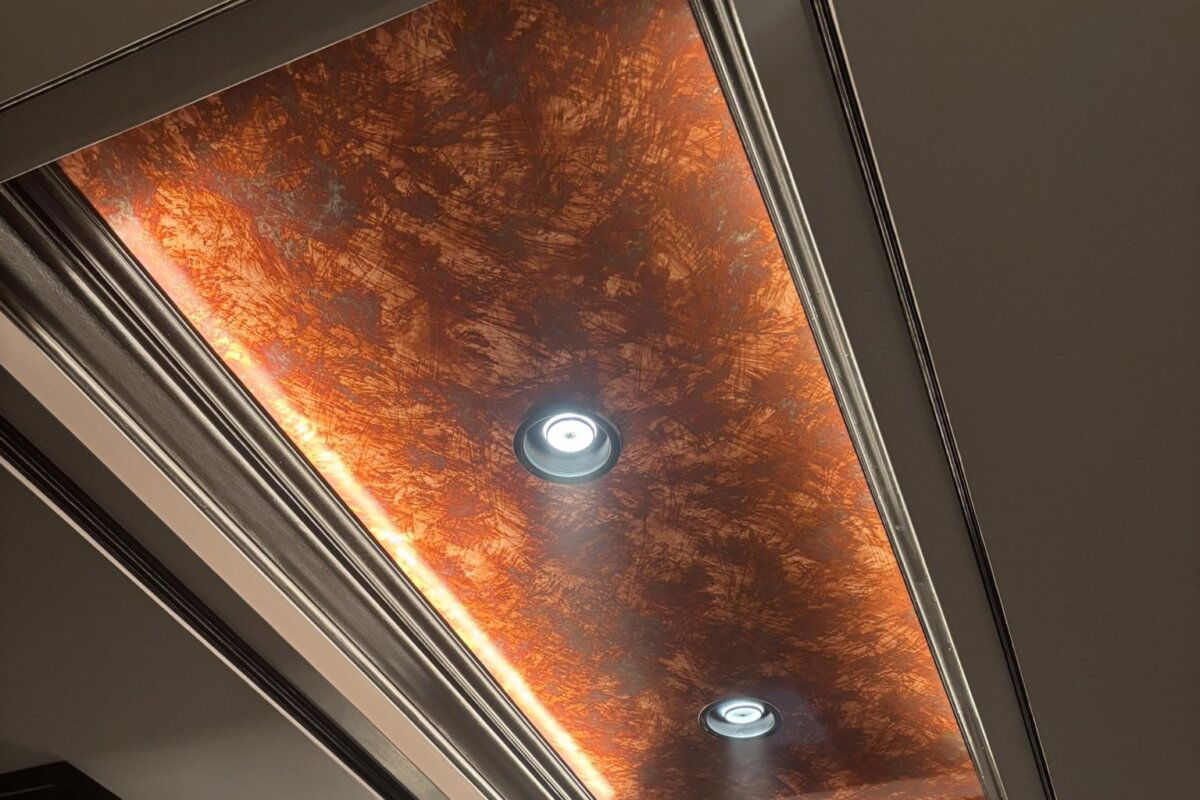
Replicas of the Empire Hotel’s hallways were also built on stage, presenting a different challenge of balancing verisimilitude with the desired look. “We wanted it to be dark and moody, but still provide enough illumination,” explains Webb. The hallways featured vaulted ceilings, but rather than just bounce light up into the bare alcoves, amber marbled appliqués were installed. “This added an artistic reflective element, so we decided to use Hyperion Tubes to create a long strip of light that we would see reflected in the ceiling above the actors.” Baton-shaped Hyperions are the longest of the popular Astera Tubes, at 2 meters, a good span for the hallways.
“We had tested ribbon and a couple different types of bulbs,” Webb said. “Even when we tried to diffuse the ribbon, you could still see the diodes through the diffusion. So really, the Hyperions were the answer, and they worked great.”
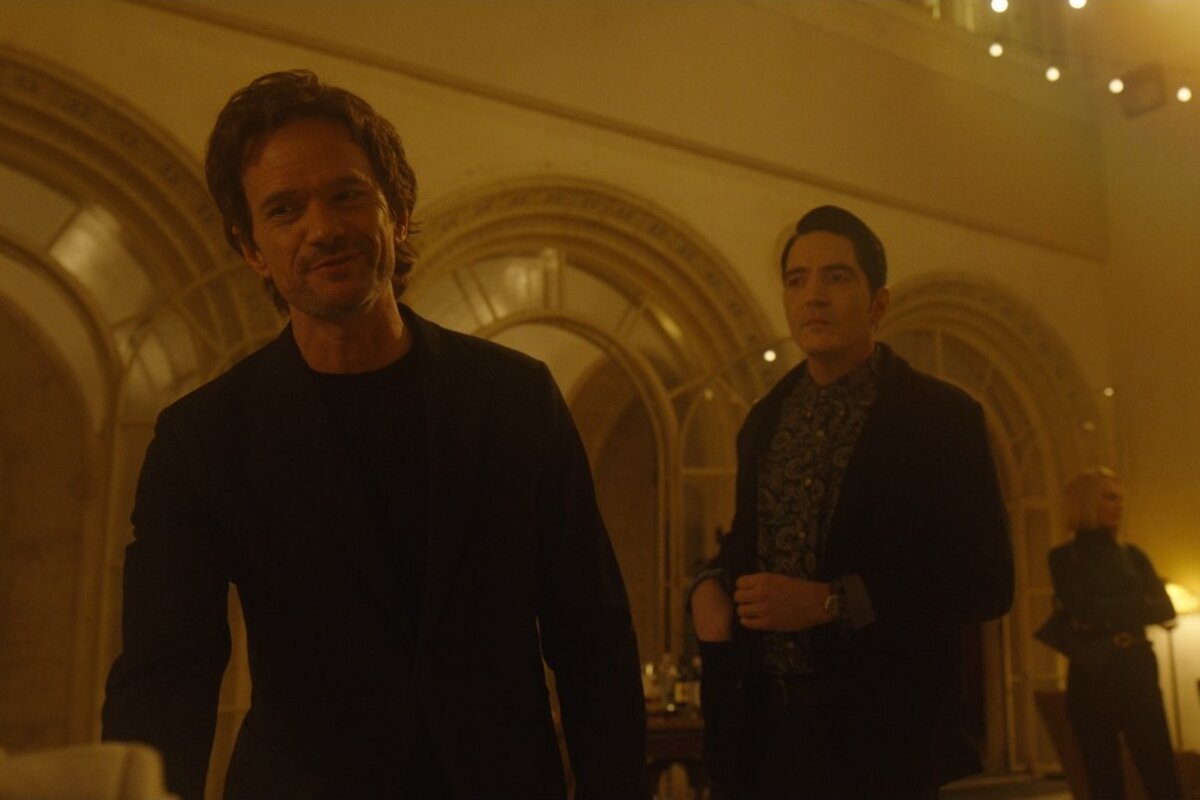
Throughout the season, Dexter infiltrates Leon Prater’s (Peter Dinklage) ostentatious New York penthouse, a composite location made up of grand interiors from Villa Carola (The Guggenheim Mansion) and Manhattan exteriors. In the show, billionaire philanthropist Prater hides a taste for the macabre while secretly collecting serial killers and serial killer memorabilia. For Dexter, driven by his dark code, Prater’s Club is a perfect hunting ground. Impersonating a rideshare driver turned murderer, Dexter blends into the little soirees of like-minded killers. The opulent location adds a giddy flavor to these sequences, but such historic locations came with strict restrictions on how equipment could be rigged.
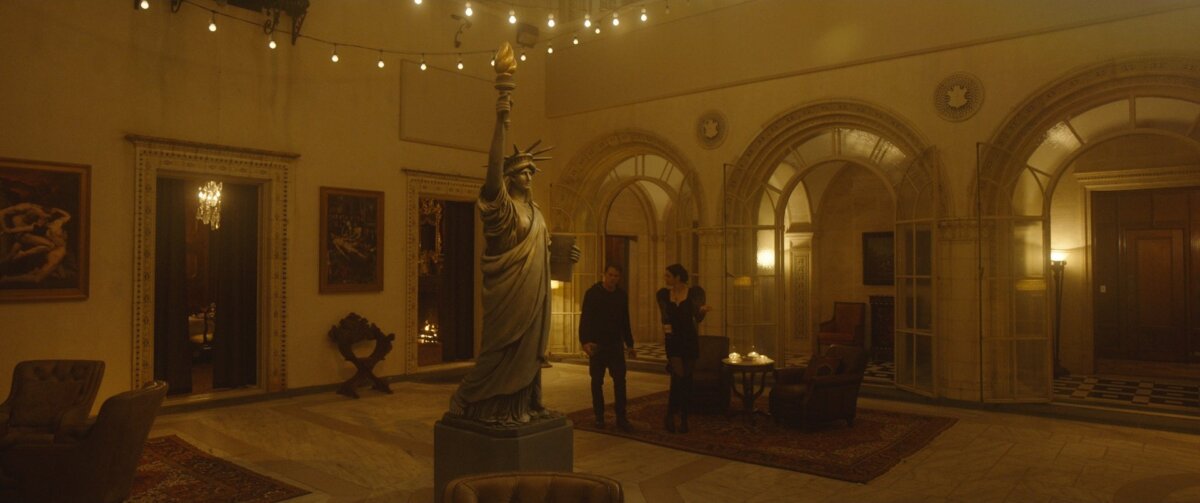
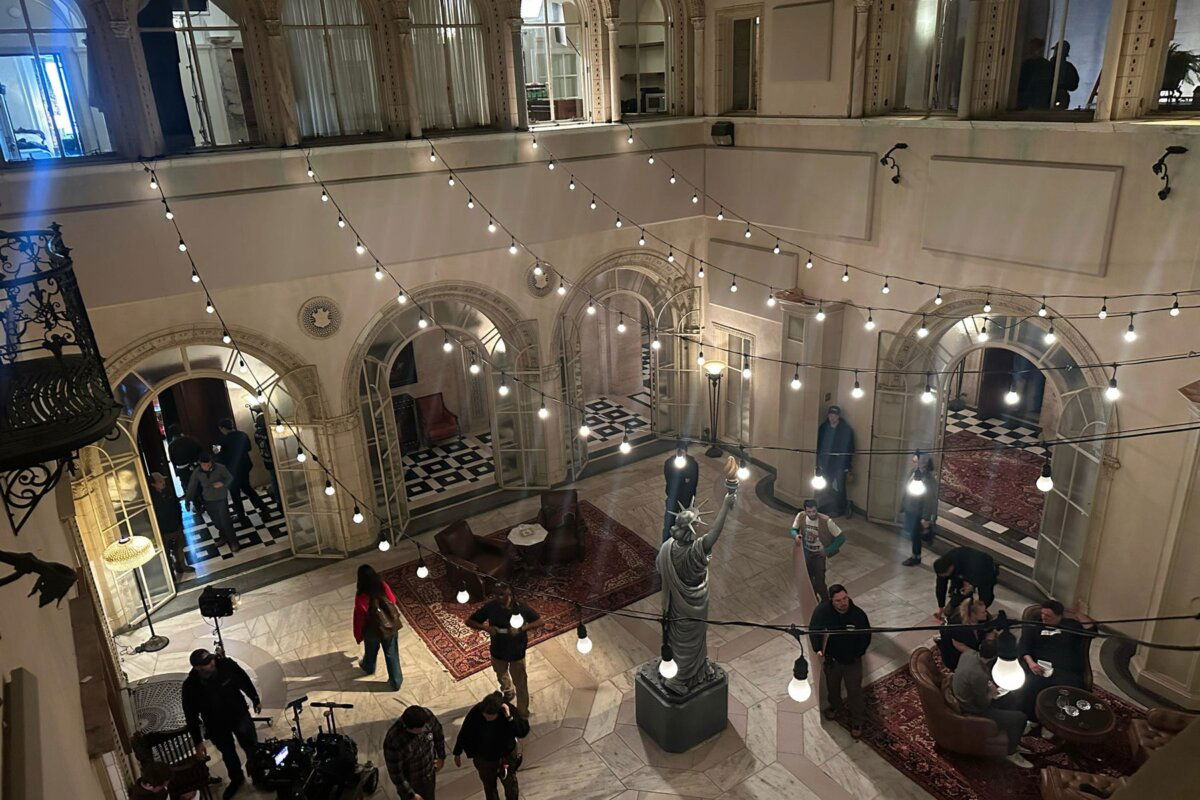
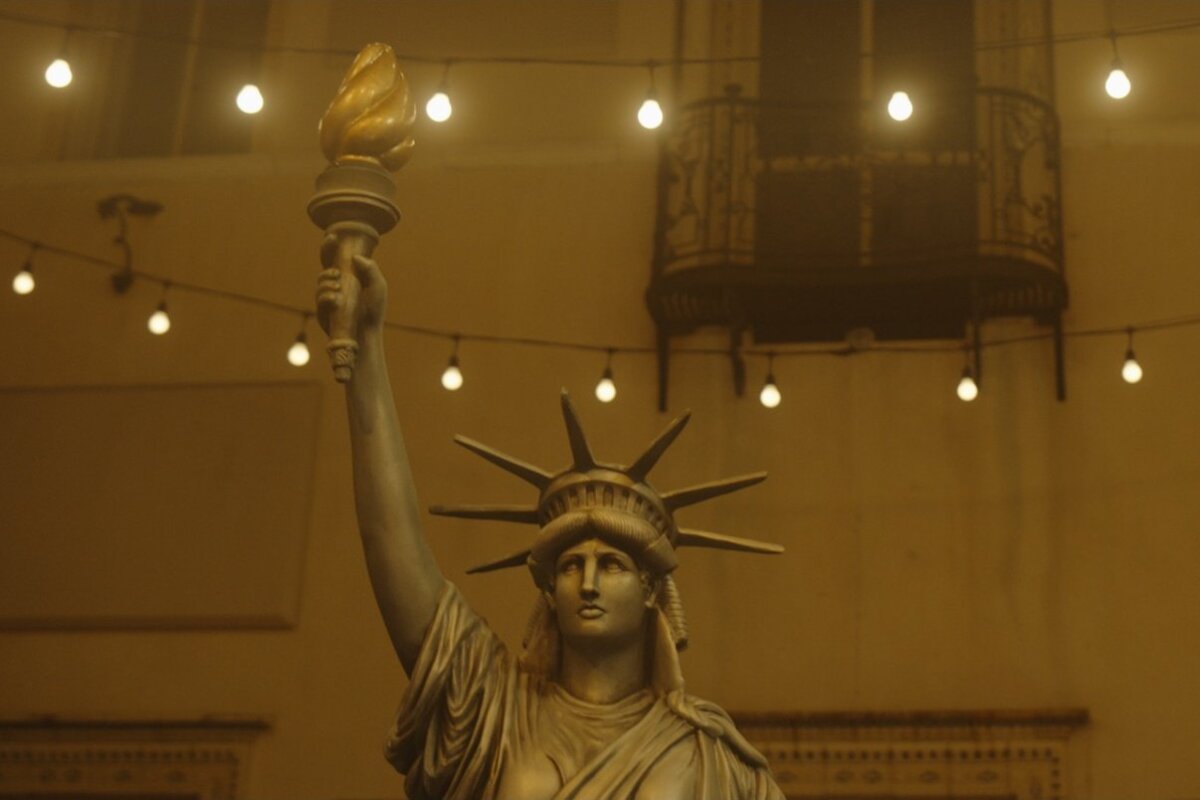
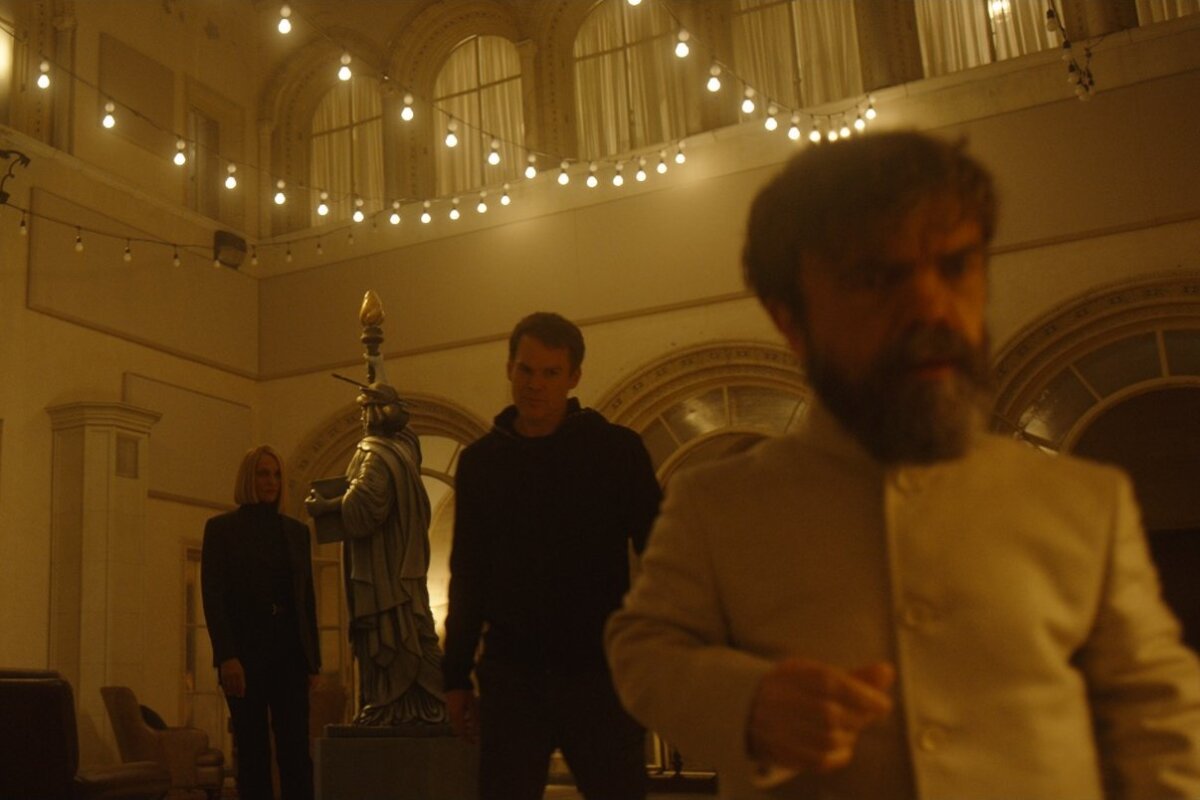
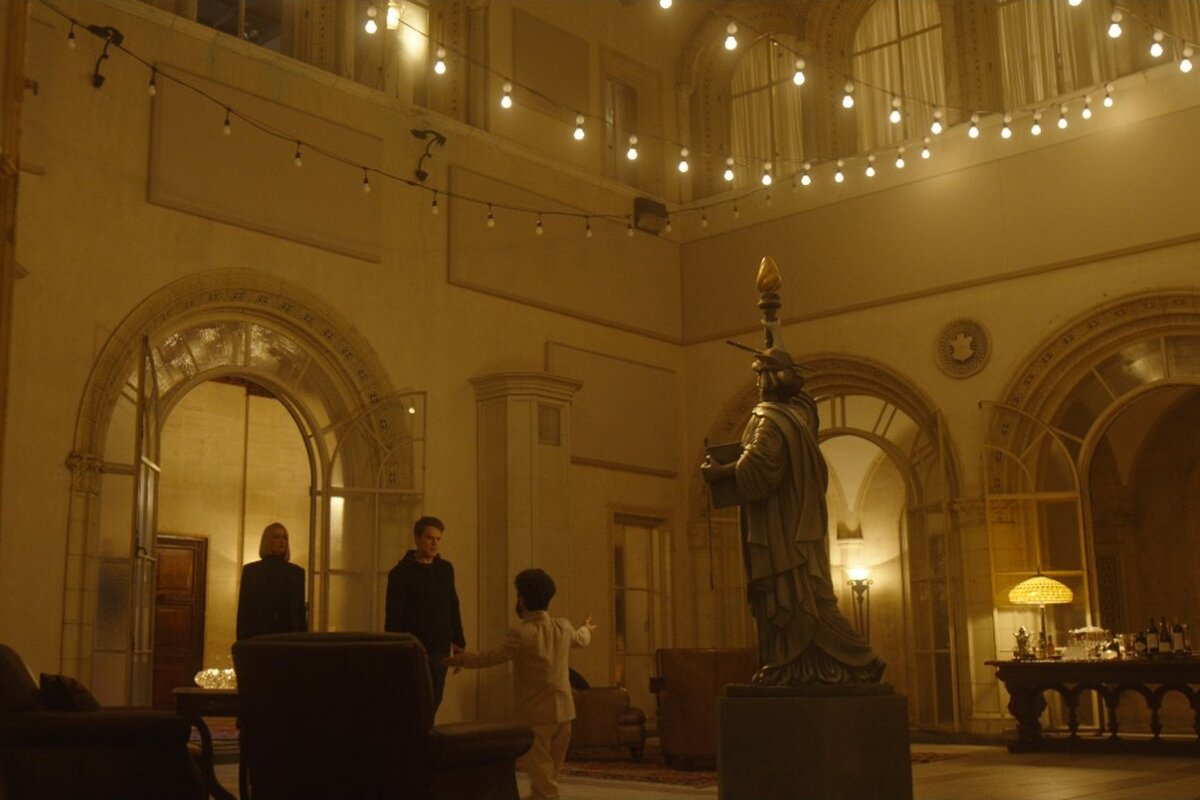
One of these sordid cocktail hours is held in a vast indoor courtyard, with a miniature Statue of Liberty ironically in the center. Art Department wanted string lights overhead and throughout the space, while DP Joe Collins wanted them warm, down to 2400 Kelvin, to match the murky gathering. Nyx Bulbs were quickly ruled out because they would be too heavy to string without securing to the off-limits walls. Instead, Webb turned to the lighter (0.081 kg/0.179 lbs) LunaBulbs. The lightbulb lookalikes from Astera could be easily lofted and hung from existing iron rod supports, while simultaneously delivering the versatile color and brightness Webb needed. It took 100 bulbs, mounted at height, to fill the room. Grip clouds also were floated above into the glass atrium to act as daytime bounce.
“There were a lot of moving pieces to figure out,” Webb said. “A hundred bulbs later, it ended up looking great.”
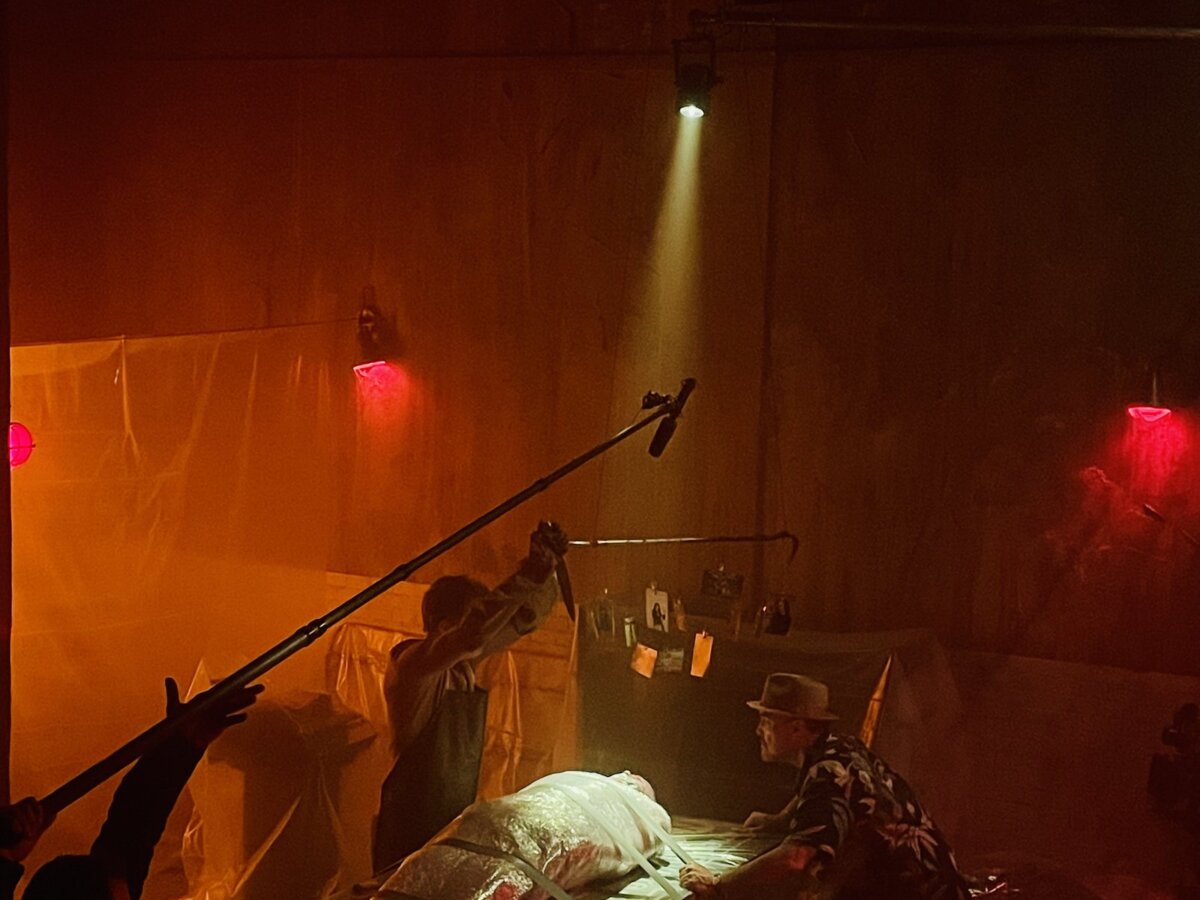
No discussion of Dexter: Resurrection’s lighting should leave out the kill rooms, the show’s most thematically loaded spaces. It’s not just a big set dressing change, as an ordinary room becomes a plastic-wrapped harbinger of death and retribution—the light transforms too, spotlighting Dexter and his soon-to-be victim. “I think it’s here that the show likes to tread that line, and skirt the edge of reality,” explains the gaffer. Pools of darkness and light are carefully planned, with Titan Tubes, QuikSpot and QuikBeams employed like paintbrush strokes, hidden inside practical fixtures or built into improbable locations to give Webb precise, repeatable color control scene to scene.
“There’s always an element of, how do we want to play color, and how does that impact this moment,” Webb said. “There’s a familiarity for me in knowing what a Titan Tube is going to give me color-wise, that I have total control over it. Set dec also works with us to create the housings for each scene.” DP Joe Collins and Webb keep light on the intended victim a shade brighter than the rest of the set, a familiar visual tell before the scene, in his words, gets “cranked up to 11.”
From vast halls to the intimate kill rooms, Webb uses light to illustrate Dexter’s psychology scene to scene. Where a source sits, how much fill an actor’s face gets, or whether there’s an eye light at all signals the duality of Dexter, the family man he tries to be and the serial killer underneath.
Season 2 of Dexter: Resurrection returns to Showtime this October, the same month the original Dexter pilot premiered twenty years ago. Without revealing any specifics, Webb has hinted that the season’s opening sequence has something special in store for fans. “Astera shows up early,” he confides. “We used QuikSpots for the first kill room of the season.”

Zoomable, small LED spotlight with swappable batteries

A wireless and zoomable point-source
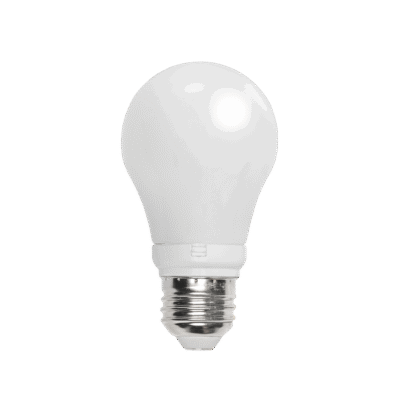
It looks like a traditional bulb; it works like a professional luminaire
The ultimate LED Tube for film, studio, stage and events.
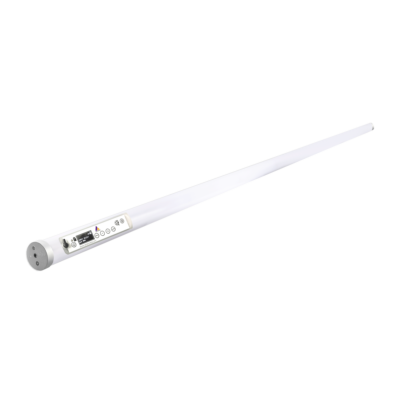
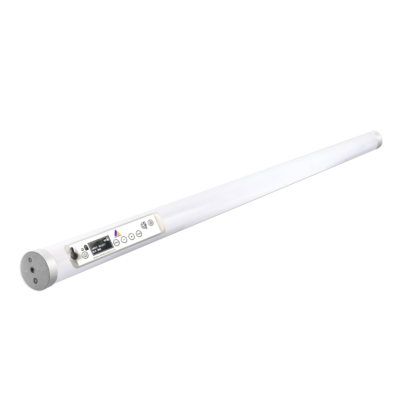
2 meter tube based on the successful Titan Tube.