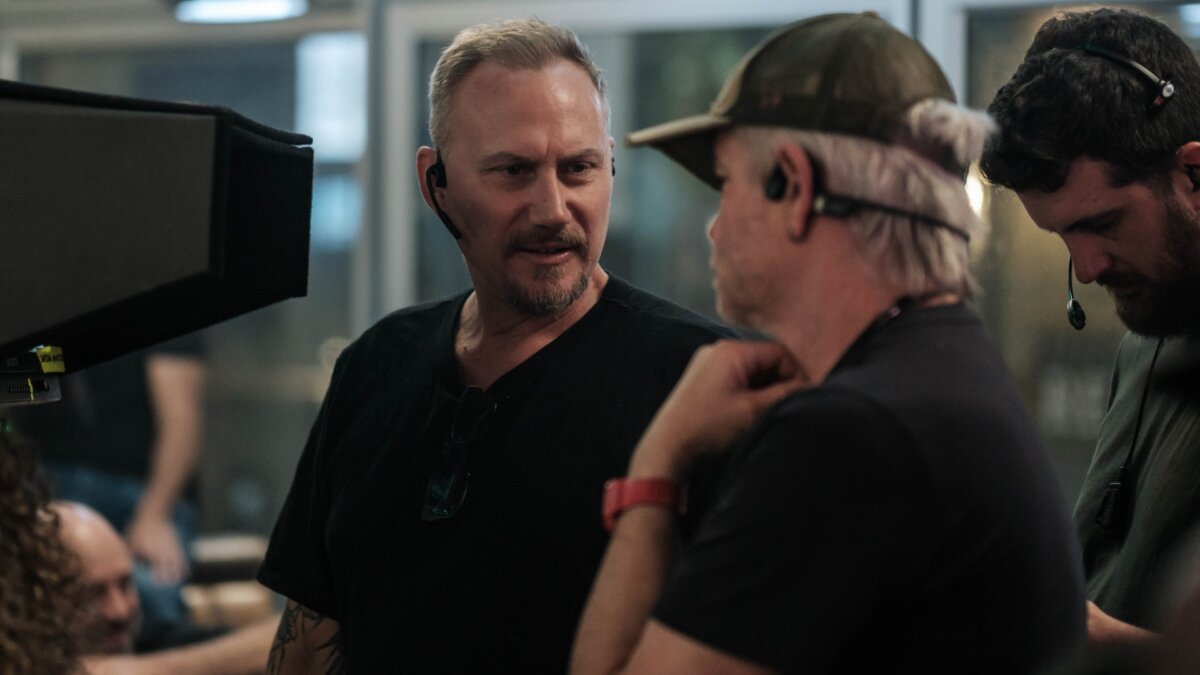
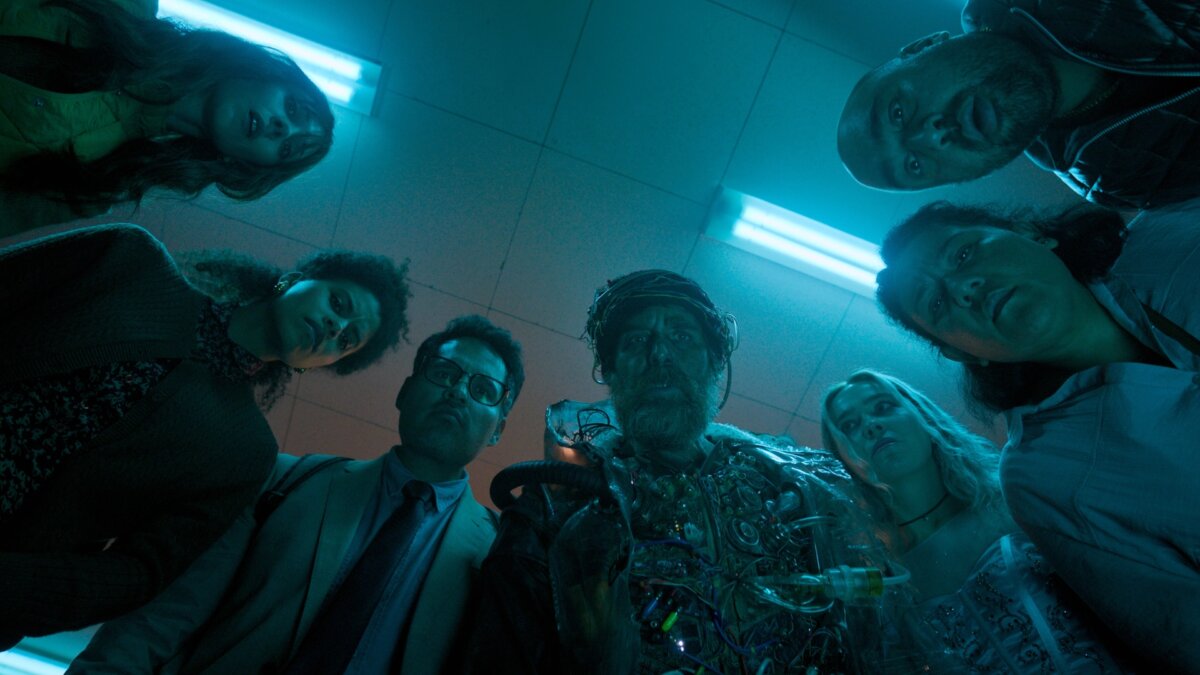
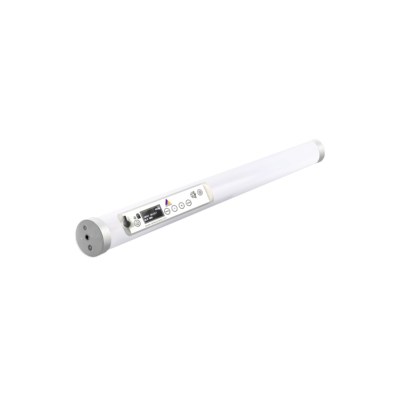
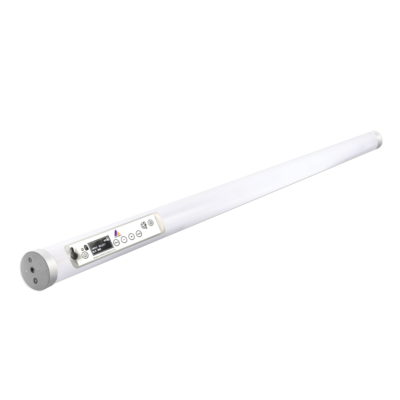
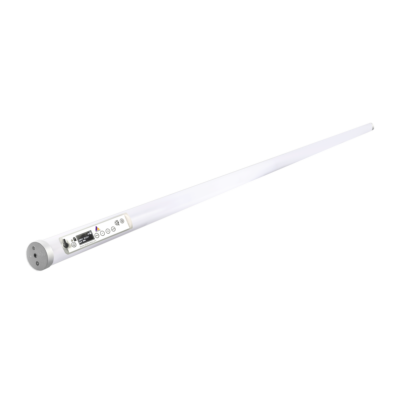
James Whitaker, ASC reunited with visionary director Gore Verbinski (Pirates of the Caribbean, Rango, A Cure for Wellness) to lens breakout sci-fi comedy Good Luck, Have Fun, Don’t Die. No stranger to bombastic, style-saturated projects with a point to make, Whitaker (DTF St. Louis, Patriot, Hawkeye, Thank You for Smoking) turned to Astera Titan and Helios Tubes to adroitly light the fast-paced adventure.
When Whitaker received the script for Good Luck, Have Fun, Don’t Die his reaction was simple: "This is bonkers, I have to do this." The absurdist story follows a time traveler (a bedraggled Sam Rockwell) who must recruit a band of strangers at a Los Angeles diner to save the world. While playing with themes of society’s relationship to AI and other new runaway technologies, the film packages a timely critique in the hero’s journey of an unlikely ensemble.
The ambitious creative had to be realized with a small budget of just north of $20 million. Production planned a 60-day shoot in Cape Town, South Africa. To make the aggressive schedule a reality, meant a dramatic shift in Verbinski’s approach to lighting–and Astera was key to making it all work.
Into the LED Era
Good Luck is Verbinski’s first dive back into features since 2016’s A Cure for Wellness, and in the intervening years, large format digital cinematography had matured, and LED lighting had grown from a novelty into a production essential. A director best known for mega-sized films with extensive resources, the transition to a lean independent film while retaining the essential Verbinski-quality required some lateral thinking.
Early into prep, Verbinski was searching for solutions: Could they shoot night exteriors with minimal lighting? Could they light without plugging things in? "Gore hadn’t worked much with LED lights. He was asking me to think seriously outside of the box," Whitaker recalls. "I said there are several items that we can use and Astera became part of the conversation very quickly."
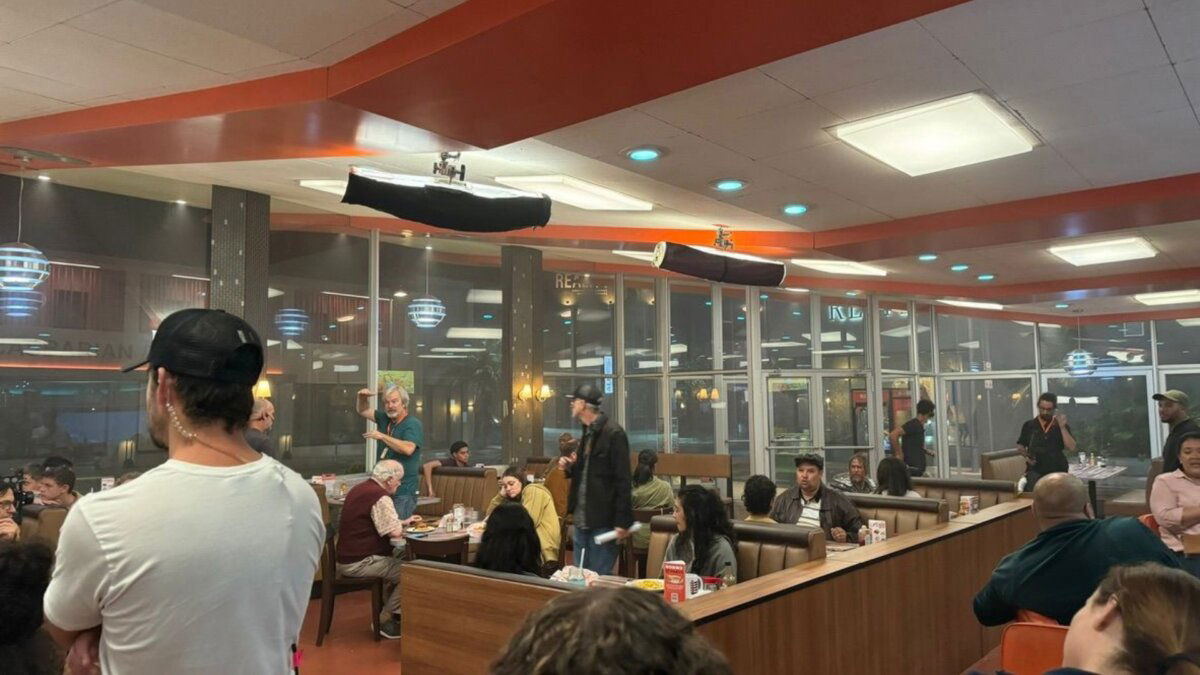
The director’s excitement was palpable. "Gore was intrigued by the LED lighting possibilities right away, and that was really good for us. He was over the moon that I could hang Astera Titan Tubes in the ceiling with no power to them," Whitaker explains. "It would take less than a minute to get them in the ceiling, hung safely, and with full DMX and XY control from the board–a capability so seamless that we cinematographers have nearly forgotten it was ever remarkable. Gore hadn’t!" The speed and economy of battery-powered, wireless LED fixtures was liberating, allowing bolder, bigger choices, even with a tight budget and schedule.
The Norm’s Diner Challenge
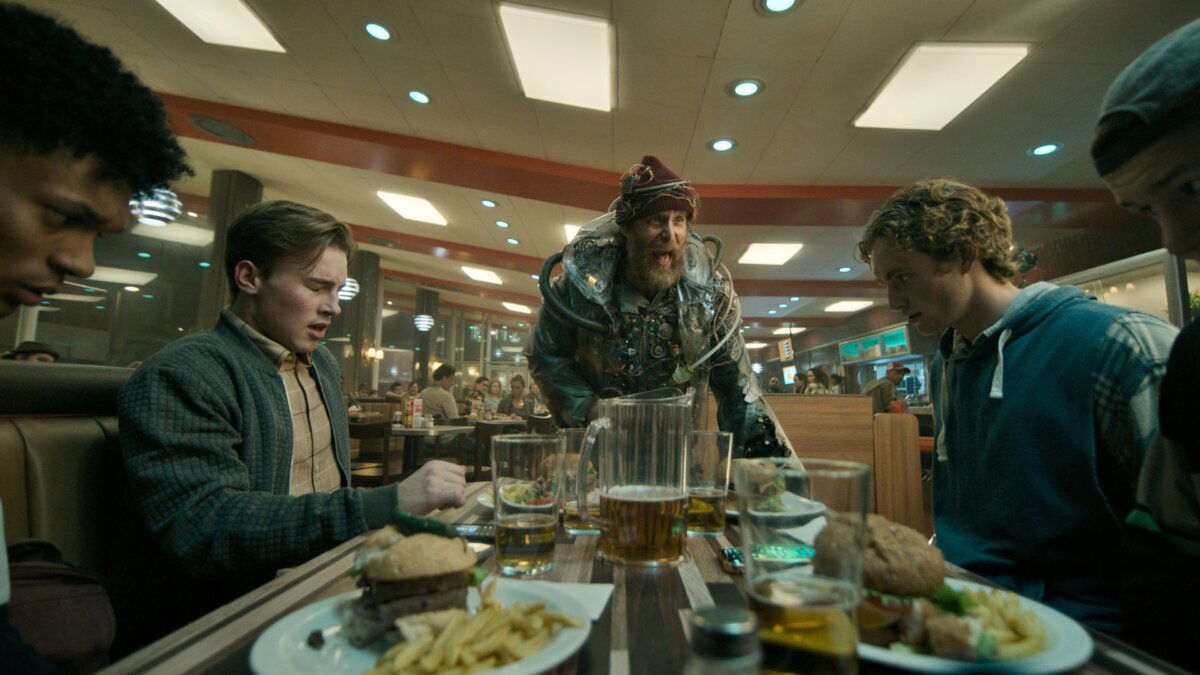
The film opens with a challenging sequence–a 12-minute dynamic monologue by Sam Rockwell’s time-traveling protagonist as he works to recruit unwilling patrons in Norm’s Diner. Production designer David Brisbin meticulously recreated the Los Angeles landmark (exercising some creative license) inside a massive dome-shaped convention space in Cape Town, complete with two and a half blocks of La Cienega Boulevard facades.
The production allocated only eight days to capture the complex 12-page sequence.
"Gore said, ‘You’re going to need to be fast. We need to light this place very generally, and then you’re going to need to move around with something portable that can light his face very quickly," Whitaker recalls. It became an exercise in peak efficient LED deployment.
"The entire back area of the restaurant, the kitchen, the hallways–were all lit with practical fixtures that looked like fluorescents, but they were Astera Titan and Hyperion Tubes," Whitaker explains. “We put larger units through 8×8’ or 12×12’ diffusions but often would just use a Titan or two in a Lightsock, which might be further diffused with a 4’x4’ frame.” With 16 pixels that can be individually programmed from a lighting console or the Astera App, the baton-shaped LED Hyperion and Titan Tubes offered minutely tunable lighting throughout the set. Blisteringly on display thanks to wide angled shots that follow the Man from the Future through the restaurant, the strategic tube placement feels completely natural.
This all-around lighting approach allowed Verbinski and Whitaker to maintain coverage from multiple angles, adjusting in the moment rather than losing time to costly re-lights. The diner is so authentically Norms, it’s easy to forget the scene itself was shot on the other side of the globe. The normality of the opening sequence lays familiar groundwork before launching the viewer on an increasingly surreal journey.
"It made a lot of sense for that part of the story because it was meant to be Norm’s Diner on La Cienega Boulevard," says Whitaker. "Gore very much wanted it to feel real, like an insane guy off the street could walk in on a Wednesday night."
The Secret Socks
"LED lighting played a big part of us being able to move quickly," Whitaker emphasizes. "We almost did not use any HMIs–very, very few. It was pure speed. We knew from the beginning there was not going to be time for us to light. The gaffer and I were not going to have the luxury of time to shape things. It was just going to be madness."
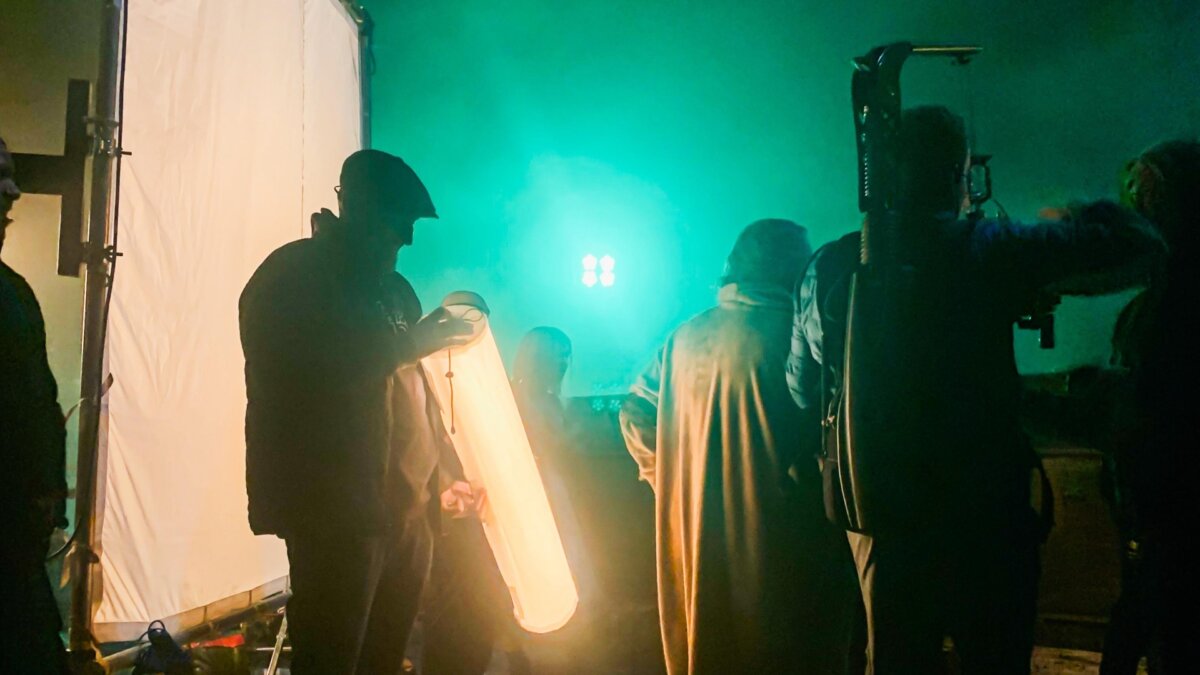
Throughout the madcap adventure, one configuration became indispensable behind the scenes: Astera Tubes fitted with Lightsocks. "We used Helios (the smallest -half meter-Astera Tube) all the time for eye lights. I like to pair them with Lightsocks for a softer effect."
Many set pieces required extensive lighting infrastructure, with LED Moon boxes lofted from cranes and arrays of LEDs built on Gradalls and condors illuminating entire nighttime street blocks. Meanwhile Astera Tubes, bare, in Lightsocks, or in Kino Flo housings shaped the light directly on the actors.
The combination provided soft, flattering illumination that could be positioned and adjusted in seconds–essential when shooting dozens of setups daily. The Lightsock’s diffusion also transformed the Titan Tube’s output into a gentle source perfect for close-up work, while the battery power and wireless control meant no time wasted running cables or finding outlets.
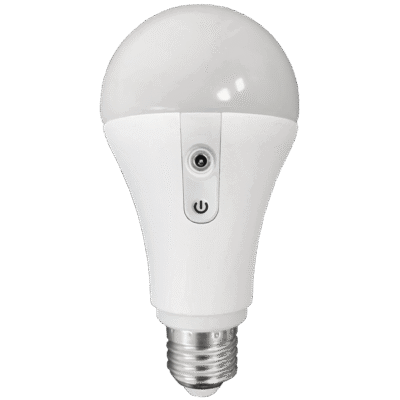
Beyond Norm’s Diner, Astera products became essential kit throughout the production. Whitaker deployed Helios Tubes, Titan Tubes, Hyperion Tubes, and NYX Bulbs across the film’s wildly varied locations, from sooty alleyways lit with mixed sodium and metal halide tones to an abandoned Cape Town shopping mall to a massive 150-foot-long chamber with a 40-foot-tall LED wall.
"I always use Astera products,” the cinematographer states. "They’re essential kit. They’re always fast and they always save time."
Have Fun!
Good Luck, Have Fun, Don’t Die is equal parts a rallying cry and alarm bell. It advocates for even the most unlikely individual’s ability to step in and shape the torrent of history. The movie is stuffed with innovative, delightful lighting gags, from teenage zombies lit by their actual cellphone screens to a wild digital tornado. Verbinski, known for practical effects and in-camera magic dating back to 1997’s Mouse Hunt, wanted everything possible to be real on set. "He’s a master of special effects, which I love so much," says Whitaker. "Gore is a true believer; he wants everything to happen for real on set."
Lighting is an integral part of this recipe of real. That commitment to practical filmmaking, combined with the need for speed and economy, made LED technology not just convenient but essential. The film’s themes of technology as both threat and tool, along with human adaptability in the face of change played out in the production itself. “We averaged between 50 and 70 shots a day. You couldn’t do that in the old days, literally. But Astera products helped–they are really fast and they always save time.”
"I think it’s a cutting-edge company," Whitaker says of Astera. "It’s really exciting what they’re putting out there, and they’re always making stuff that makes my job easier. Keep doing what they’re doing, please."
Good Luck, Have Fun, Don’t Die – premieres February 13, 2026, in theaters worldwide.