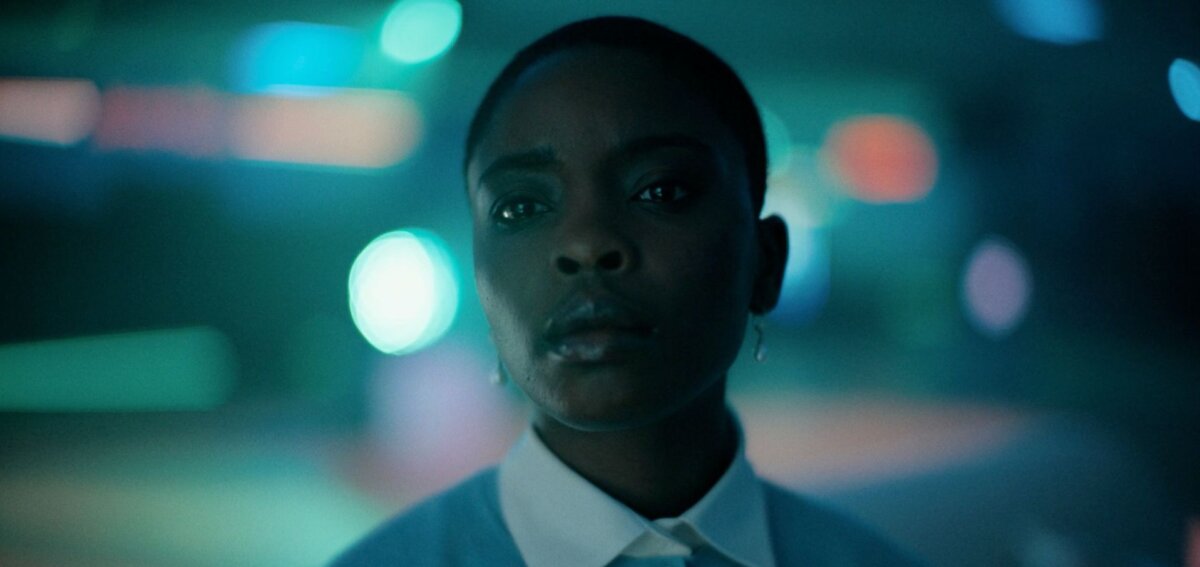
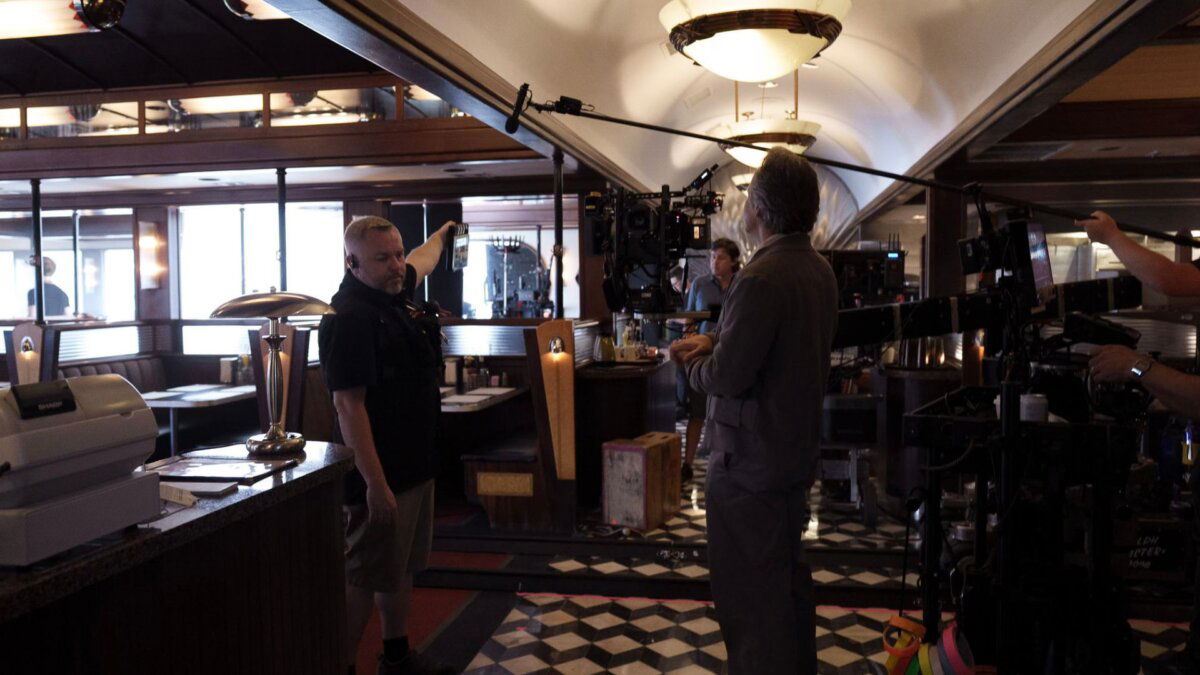
Джеймс Уитакер вновь объединился с давним соавтором и главным исполнительным продюсером Стивом Конрадом для работы над тёмной комедией HBO «DTF St. Louis». В сериале много откровенных моментов, неловких разговоров и не самого стандартного секса: это нетипичный детектив «кто убил», завёрнутый в историю о том, как попытка вырваться из болота среднего возраста заканчивается катастрофой. Тонкие сдвиги точки зрения требуют столь же тонкого визуального языка, который Джеймс Уитакер выстраивает с нуля. Это один из первых проектов, целиком отснятых на ARRI Alexa 265 в паре с объективами Prime DNA, что позволило создать образ, в котором соседствуют разрывающая одиночность, новая близость и странная отчуждённая интимность. Для достижения густого контраста, тёплых оттенков кожи и прохладных теней — фирменного настроения пригородного Сент Луиса — он повсюду опирается на светодиодные приборы Astera.
Искусство «сложного единственного источника»
В «DTF St. Louis» нет ничего «нормального» — в том числе и света. Визуальный стиль, вдохновлённый уличной фотографией, — это результат почти десятилетнего сотрудничества Уитакера и Конрада. «Мы со Стивом хотели использовать „графичные“ композиции, чтобы изолировать персонажей, — объясняет оператор. — Широкие планы, соседствующие с очень плотными крупными, где люди смотрят чуть мимо объектива или вовсе в угол матбокса. Нам важно было, чтобы зрителю было трудно не залезть к героям в голову».
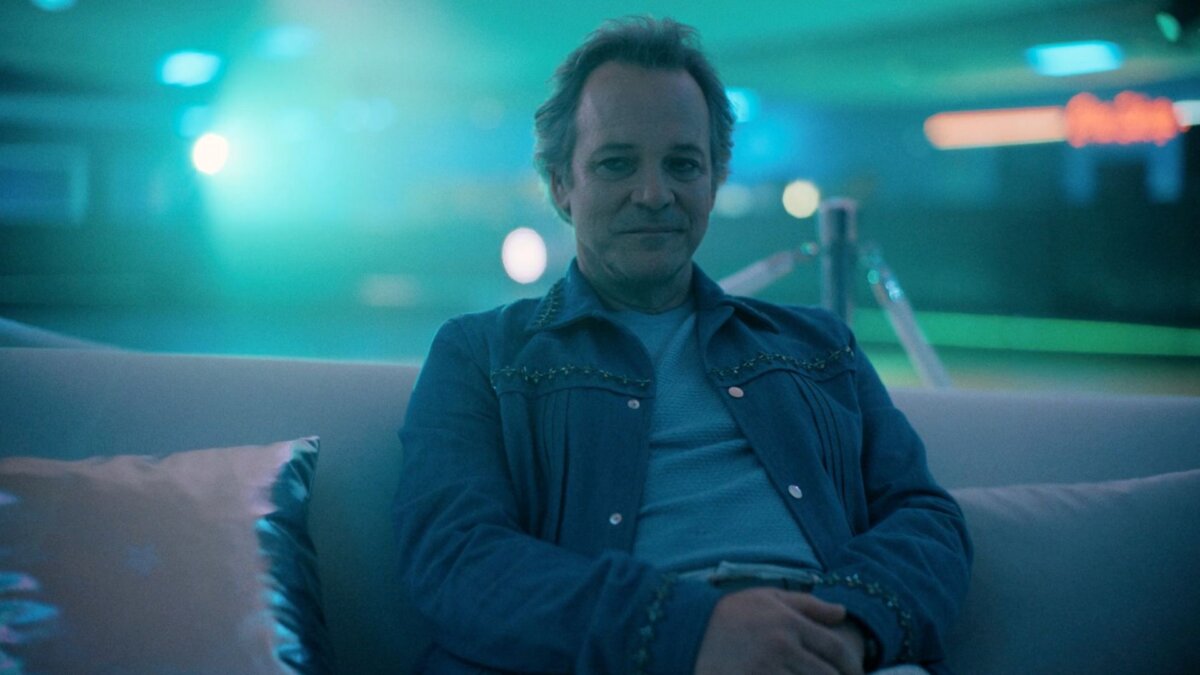
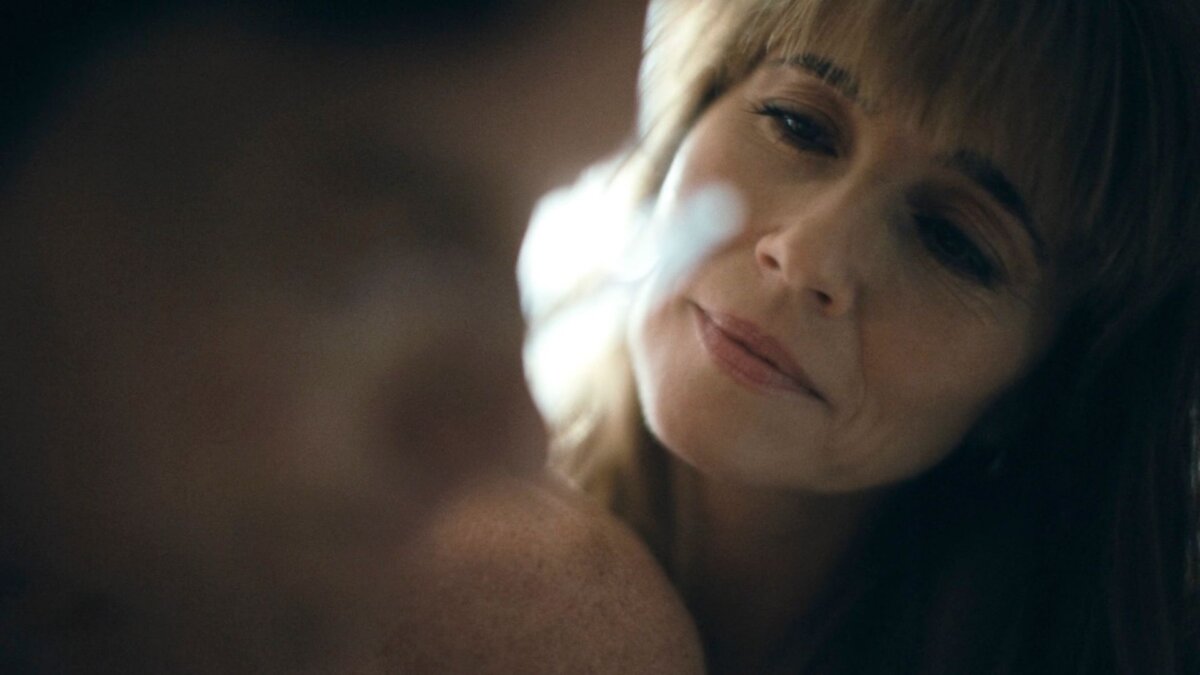
Чтобы такие эмоционально насыщенные крупные планы с Джейсоном Бейтманом, Линдой Карделлини и Дэвидом Харбором работали, Уитакер использует то, что называет «сложным единственным источником». В реальности свет на лицо приходит уже после множества отражений от стен, пола, потолка — на площадке этого нет, если не создать вручную. «Я начинаю скучать, когда „одиночный источник“ выглядит слишком косметически чистым. Всегда пытаюсь добавить сложности».
Подход к крупному плану при этом обманчиво быстрый. «Представьте, что вы — Линда Карделлини, — предлагает Уитакер. — Я работаю с 80 миллиметровым объективом, снимаем в крупном формате 265, так что камера стоит от силы в четырёх футах от вас».
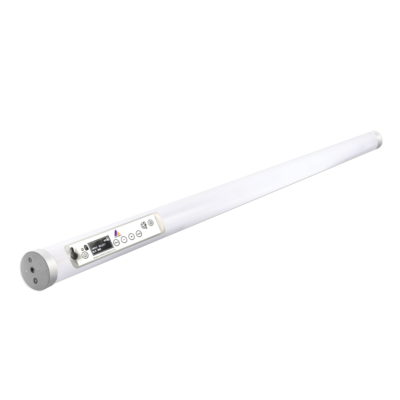
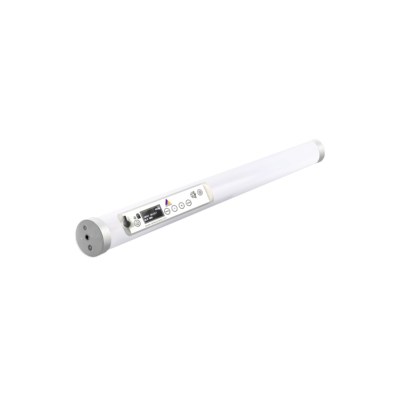
Дальше схема наращивается слоями. Две четырёхфутовые рамы Dooplo с двумя TitanTube формируют диагональный контрово боковой ключ, имитирующий окно вне кадра; при необходимости его дополнительно смягчают отдельной диффузионной рамой. К нему добавляется трёхчетвертной контурный свет — Titan с сотами, дающий тонкое отделение героя от фона. «Мне очень нравится в Titan то, что они жёсткие и мягкие одновременно. Положите их в софтбокс Lightsock — и сразу получите мягкий свет. Пропустите через ещё одну рамку диффузии — и качество света становится просто потрясающим».
Финальный штрих — так называемый skip bounce (отражение света от пола под острым углом): «голый» Helios или Titan почти на полу, направленный вверх под острым углом. «Когда солнце бьёт в окно, оно обязательно от чего то отразится и пойдёт снизу вверх, — объясняет Уитакер. — Если свет получается слишком жёстким, аккуратная четверть грид диффузия его смягчает; нужно чуть больше “удара” — поднимаем мощность на 20%. Низкая точка даёт лёгкий нижний компонент и, что особенно важно, живой блик в глазах. Вот это и есть та самая „простая сложность“, о которой я говорю». Вся настройка занимает всего около восьми минут. «Для актёра всё выглядит так, будто площадка идеально освещена ещё до того, как он занял точку», — смеётся он.
Интимные сцены без вторжения
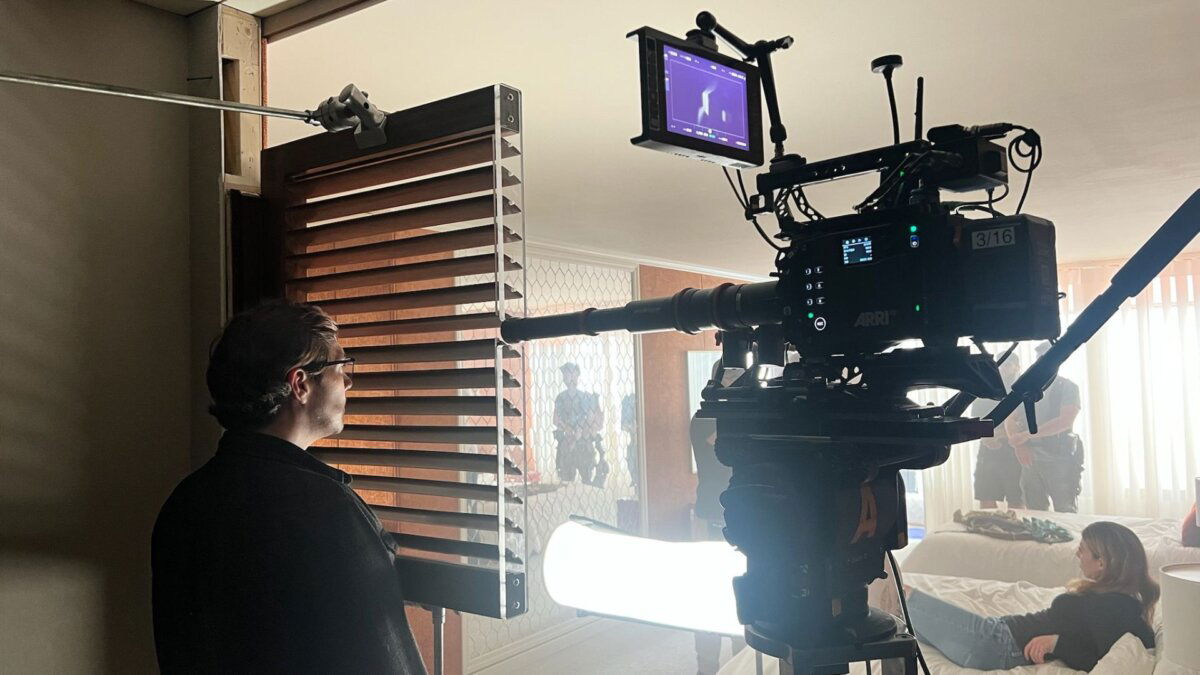
На HBO там, где есть роман и скандал, почти всегда есть и секс — а значит и продуманная хореография по современным стандартам постановки интимных сцен. Сертифицированный координатор интимных сцен, детальные обсуждения до съёмок, строго ограниченный доступ на площадку — теперь это норма, защищающая актёров и возлагающая серьёзную ответственность на группы, которым нужно работать быстро и точно, не вторгаясь в хрупкое пространство. В «DTF St. Louis» Карол (Карделлини) и Кларк (Бейтман) встречаются в мотеле. Планируя эти эпизоды, Уитакер особенно тщательно продумывал схему камеры и света так, чтобы она была максимально ненавязчивой и при этом не снижала планку сериала. Доступ к мониторам и самому павильону во время таких сцен ограничен, поэтому ключевым словом для Уитакера стало «удалённо». Задача — собрать всё так, чтобы после того, как дверь закрылась, её не приходилось открывать снова.
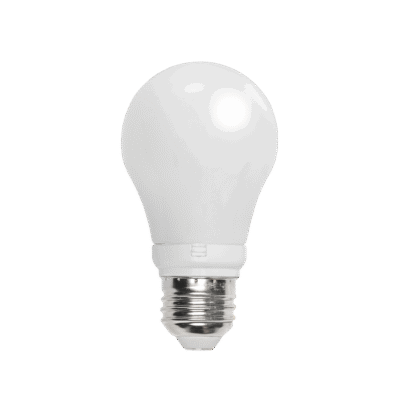
Основной свет мотеля идёт через большие балконные окна, закрытые тонкими белыми шторами, которые размягчают поток. Внутри плафоны были переоснащены лампами Astera LunaBulb, а роль «солнца» выполнял Arri T24 — 24 киловаттный вольфрамовый прибор на отдельной тележке крана Technocrane снаружи. Такое решение позволило Уитакеру и гафферу Дэну Корнуоллу бесшумно и точно смещать ключевой источник, параллельно на лету подстраивая «практики» в кадре.
«Просить Technocrane — удовольствие дорогое, — признаётся Уитакер. — Но вам нужна возможность вносить последние правки, когда актёры уже в кадре, иногда прямо во время дубля. Если свет надо чуть опустить, вы не хотите останавливать сцену, посылать техника, крутить стойку и создавать шум». В результате появился момент, который невозможно было бы заранее прописать на фиксированной стойке: когда Карол и Кларк отстраняются от почти поцелуя, кран уходит вместе с ними вверх — и в промежутке между ними рождается естественный блик, визуализирующий их хрупкие чувства.
Для приборов внутри павильона столь же важным стало беспроводное управление. После утверждения исходной схемы никому из техников не требовалось возвращаться на площадку: уровни и цветовую температуру подстраивал оператор пульта — без флагов, фильтров и вторжений в пространство, которое режиссёр и актёры только что «собрали». «Как бы мне ни нравился характер света лампы накаливания, — говорит Уитакер, — ценность светодиодов сегодня гораздо выше: и по времени, и по скорости, и по тому, насколько меньше они мешают актёрской игре».
В погоне за светом
Сериал следует за героями средних лет, которые неловко пытаются выстроить связи на фоне нарочито обычных пригородов Сент Луиса. Авторы намеренно «подсаливают» эту повседневность — сильным контрастом, тяжёлыми тенями и приглушённой насыщенностью. Многие ключевые сцены происходят поздним днём и вечером, когда люди, отработав день, пытаются прожить хоть какую то жизнь. Съёмка в переходные часы означает постоянную гонку за светом — а там, где гонка, критична управляемость.
Один из самых сильных образов сезона появляется уже в первой серии: пролёт по тросу, начинающийся высоким широким планом и медленно «нащупывающий» Флойда (Дэвид Харбор), лежащего в домике у бассейна. Сцена снята в сумерках, и для неё команда Уитакера добавила по периметру здания заливающие «охранные» прожекторы, а городские фонари заменила на диммируемые светодиодные, чтобы все практические источники на улице были под контролем программера Элтона Джеймса. Внутри домика потолочные люминесцентные светильники заменили на Astera Titan Tube, а Helios Tube разнесли по всему пространству — часть из них сознательно оставили в кадре, чтобы потом аккуратно убрать на посте. В нишах со шкафчиками расположились LunaBulb, имитирующие узкий пучок PAR ламп и добавляющие фактуру фону.
Съёмка в «синих сумерках» требует непрерывной коррекции. Общий уровень падает буквально на глазах, и практические источники, ещё полчаса назад экспонированные идеально, очень быстро становятся, по выражению Уитакера, «ядерно яркими» относительно остальной сцены. Возможность диммировать каждый прибор с пульта позволяет держать экспозицию в реальном времени — без остановок, лестниц и перетаскивания стоек. По мере того, как свет гаснет, кусты и деревья вокруг актёров превращаются в естественный «негативный заполняющий свет», забирая лишние блики с лиц. Titan или Helios, быстро поставленные в софтбокс Lightsock, легко возвращают нужную долю мягкого света. «Вы хотите, чтобы это занимало не больше минуты, — говорит он, — потому что у вас и есть только эта минута».
Такая гибкая оперативность — суть подхода Уитакера к проекту: скорость как творческий инструмент, а не просто производственная необходимость. К финалу сезона охват Astera стал тотальным. «Для каждого интерьерного света — и днём, и ночью, и для каждого ночного экстерьера, — вспоминает он, — Astera стала частью схемы. В каждом случае. Это безумие».
«DTF St. Louis» стремительно ворвался в топ 10 HBO сразу после премьеры.