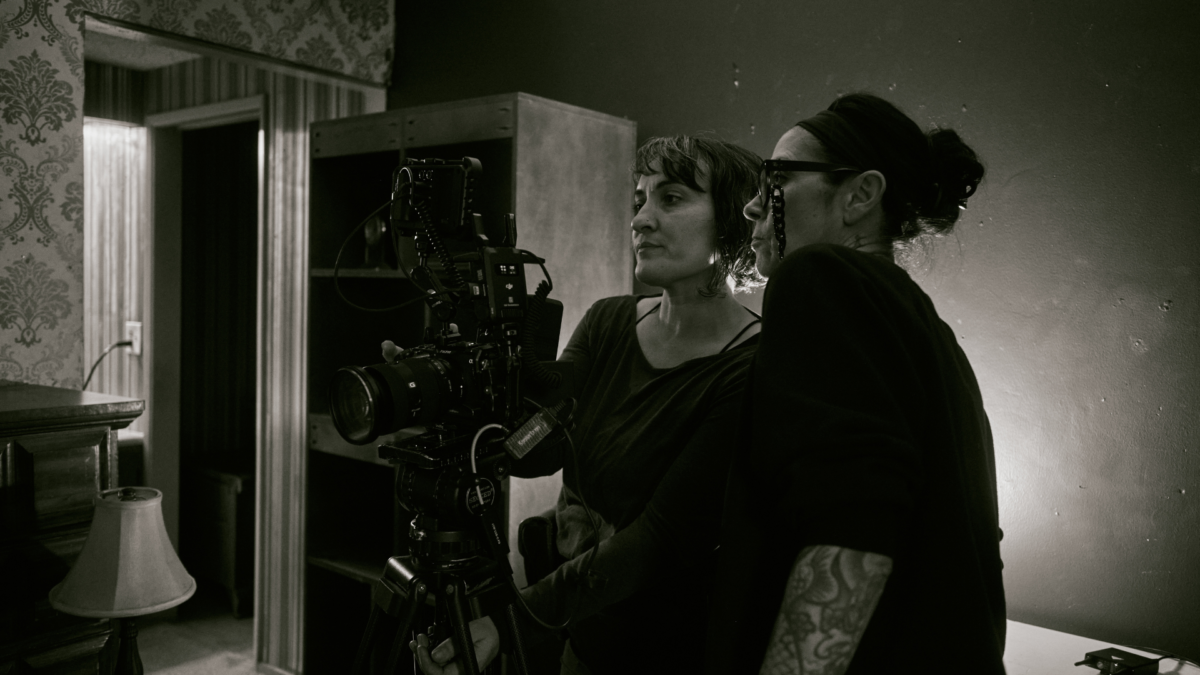
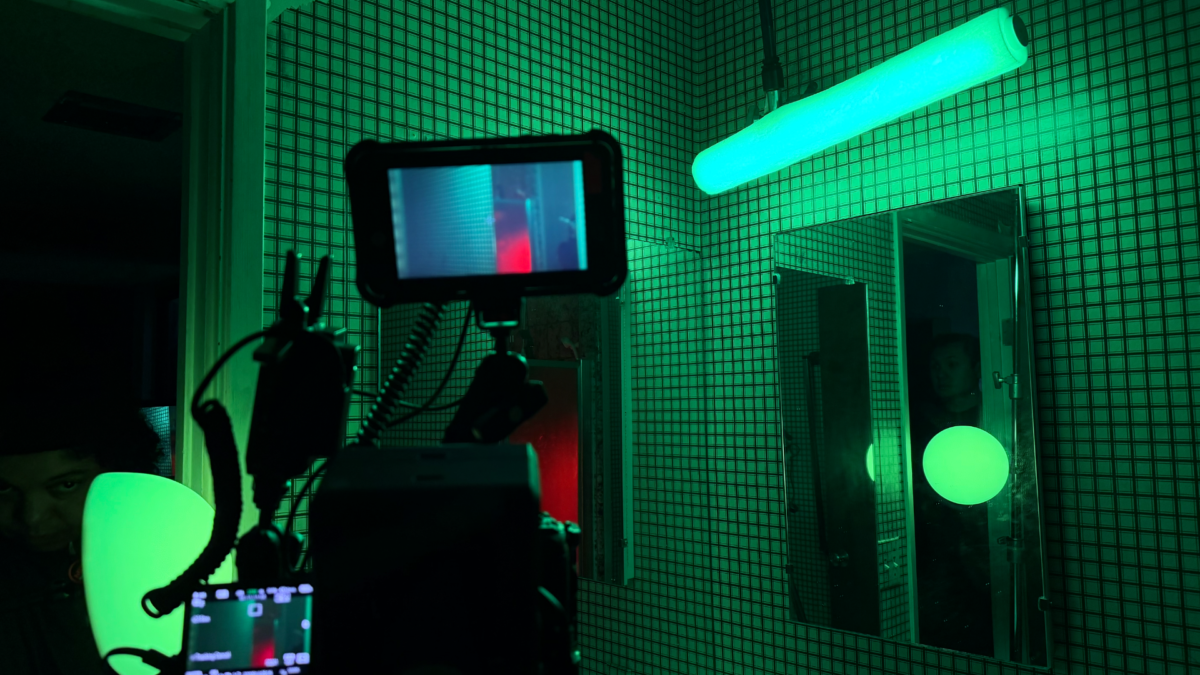
Когда работаешь с небольшой, сплочённой командой, тебе открывается особый уровень свободы. Никаких грузовиков с оборудованием, никакой армии техников, никаких гор бумажной работы — только тесный круг соавторов, сумка с беспроводными приборами и общая уверенность, что кадр стоит того, чтобы за ним гнаться. Именно с таким настроем оператор Севдие Кастрати-Дилл, ASC, присоединилась к режиссёру Дженнифер Рид и актрисе-музыканту Джен Мэлоун для двухдневных съёмок музыкального клипа. Команда из дюжины человек, разделённая между мотелем в Санта-Кларите в золотой час и интерьерной павильонной сценой, освещённой насыщенными зелёными и мрачными красными тонами. Одна камера Sony FX3. Диффузионный фильтр Lucid Dream FX. Приборы Astera. Вместе эта комбинация позволила воплотить в жизнь сюрреалистичную, пропитанную ностальгией визуальную концепцию песни.
Режиссёр Дженнифер Рид обратилась к Севдие Кастрати-Дилл с предложением, у которого не было ни большого бюджета, ни долгого времени на подготовку, но было нечто более ценное: доверие. Ранее они уже работали вместе над полнометражным фильмом Рид Perpetrator и хорошо понимали друг друга с полуслова. Теперь в работе у режиссера было видео на сингл Barstow из грядущего альбома Джены Мэлоун. Сможет ли Севдие снять его до того, как уедет в Косово на свой следующий проект? Оператор согласилась.
В клипе женщина, путешествующая одна, приезжает в залитый неоном мотель и снова и снова встречает другую версию себя — не как угрозу, а как тихую спутницу, эхо памяти. Актриса Робин Танни появляется рядом с Мэлоун в образе её старшей версии, и две женщины исполняют буквально «многослойную» роль, реализованную через сменяющие друг друга эффекты двойной экспозиции при монтаже.
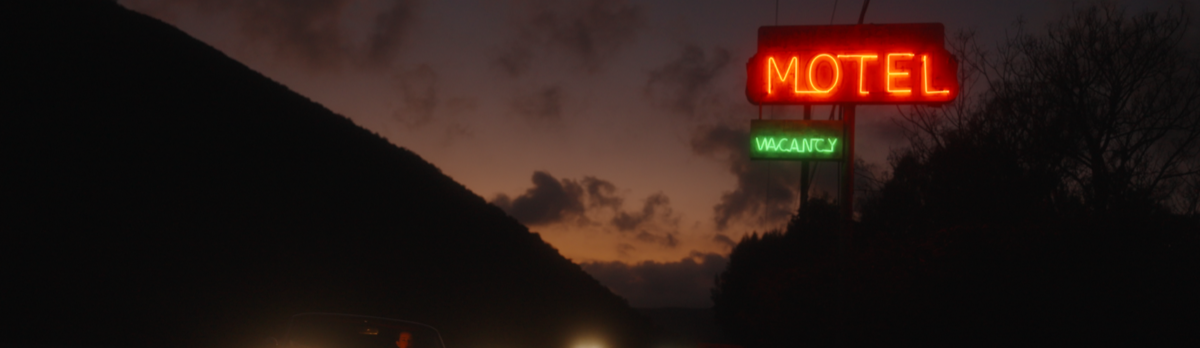
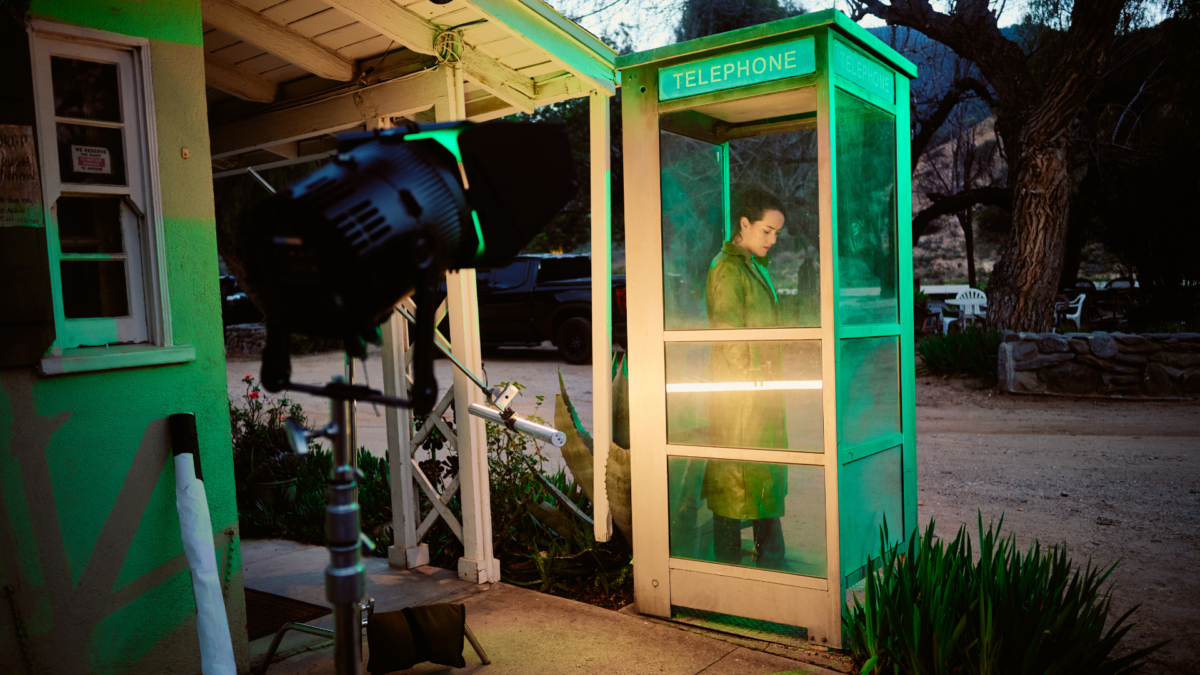
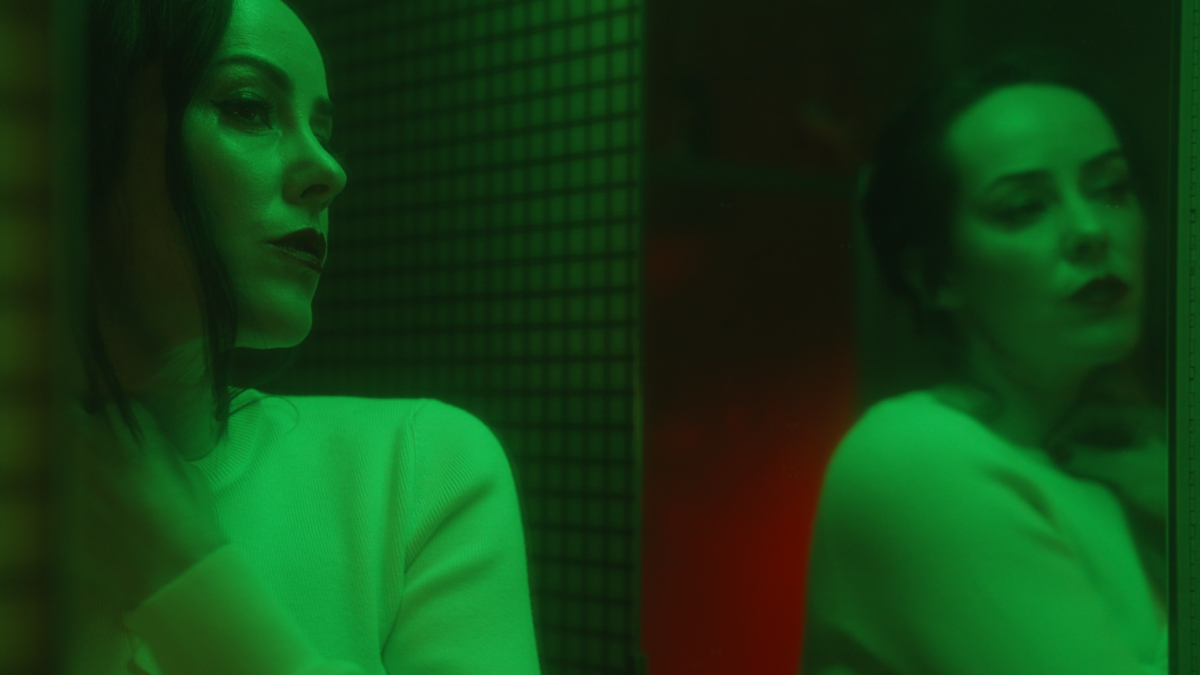
Клип отличается яркой цветовой гаммой, особенно в локации мотеля, где доминирует жёсткое неоновое конфликтное сочетание цветов. Палитра естественным образом расширяется от самой локации, особенно от красно-зелёной вывески о наличии свободных номеров. «Мне всегда нужно, чтобы освещение было мотивированным, чтобы у каждого цвета была причина, — объясняет Кастрати-Дилл. — Неоновая вывеска стала для меня большим источником вдохновения. Мне понравился её контраст». Результат получился очень насыщенным: тёплые янтарные передние планы, переходящие в резкий зелёный задний свет, сцены, залитые глубоким красным с вкраплениями цианового, светящаяся телефонная будка на фоне сумеречного неба и ярко-красный кабриолет с насыщенной контражурной подсветкой. «Это, пожалуй, самое красочное из всего, что я снимала», — говорит она.
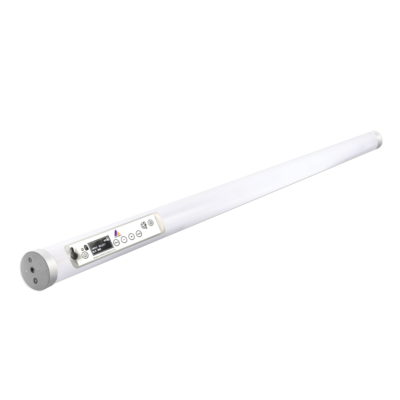
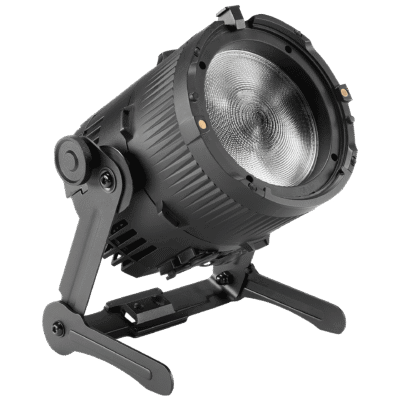
При таком масштабе работы каждый прибор должен оправдывать своё место дважды. Севдие Кастрати-Дилл пришла на съёмки с трубками Titan от Astera — приборами, которые она использует годами и считает обязательными, а также, впервые, с двумя новыми прожекторами с линзой Френеля от Astera: QuikPunch и QuikSpot.
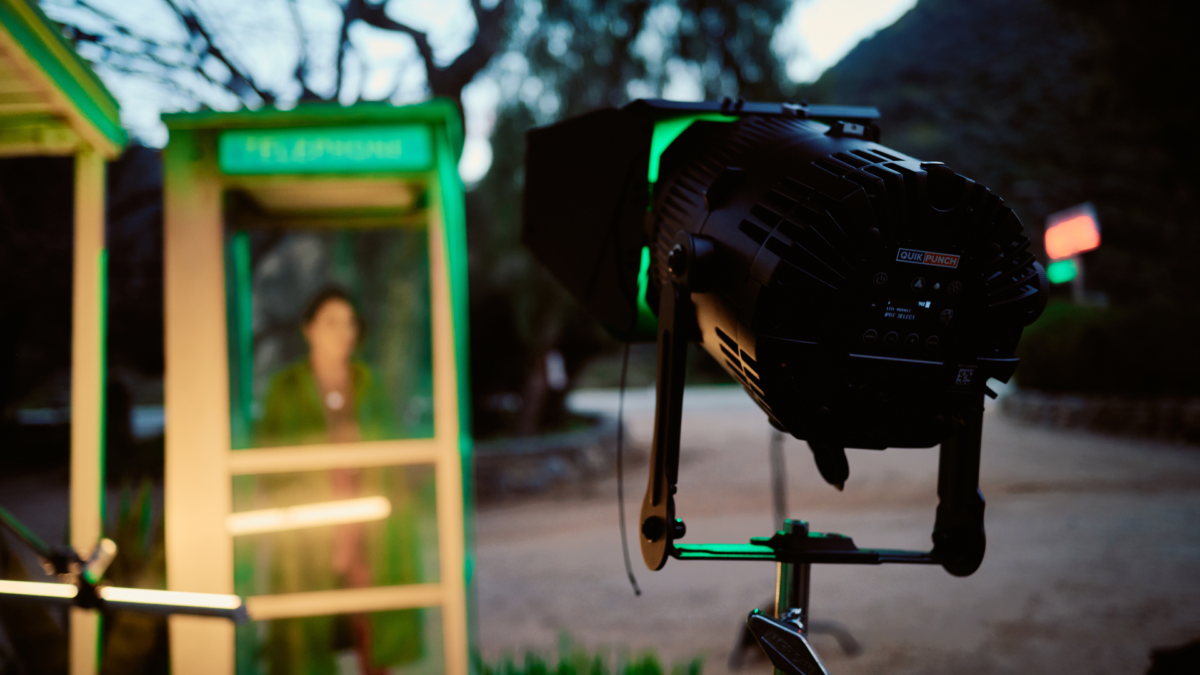
QuikPunch быстро стал для Севдие основным рабочим инструментом этих съемок. В первый день он послужил источником насыщенного зелёного света (заменяя свет вывески) снаружи мотеля. В сцене с телефонной будкой один QuikPunch дал мощный зеленый контражур, в то время как Titan Tube обеспечил тёплую заливку с другой стороны, изящно окутывая Мэлоун цветом. «Было потрясающе работать с QuikPunch такой маленькой командой. Поскольку он работает от аккумулятора, нам не нужно было тянуть кабели или беспокоиться о питании, — говорит она. — Мы снимали несколько часов, и они проработали всё это время без проблем. К тому же световой поток очень мощный».
Линейка Quik и трубки Astera используют светодиодные модули Titan, что обеспечивает мгновенную совместимость приборов. Гафер Сика Стэнтон использовала приложение Astera ART7 для управления цветом и яркостью в реальном времени. «Вы можете найти нужный цвет и насыщенность и просто воплотить их в реальность прямо на месте», — говорит она.
Titan Tube использовались во множестве других сетапов: как контражур для создания розовой заливки в спальне, для эффекта мерцающего телевизора, а также в паре, чтобы подсветить Мэлоун изнутри телефонной будки. «С момента выхода трубки Astera быстро стали стандартом индустрии, — вспоминает оператор. — Их можно пристроить куда угодно, у них естественное рассеивание, можно добавить дополнительную диффузию поверх и управлять ими удалённо. Я не припомню, чтобы у меня когда-либо были проблемы со временем работы от аккумулятора. С ними очень-очень легко работать».
Приборы Astera оказались оптимальным инструментом для команды, которая и так была настроена на одну волну. По словам Кастрати-Дилл, Мэлоун полностью доверяла команде, в то время как Рид и Кастрати-Дилл работали с беглостью, близкой к телепатии. «Нам не нужно много обсуждать на площадке, — говорит оператор. — Мы просто делаем». Такое взаимопонимание позволило спонтанно находить решения, которые и двигают лучшие музыкальные клипы. Крупный план Мэлоун, исполняющей песню на розовом фоне, стал возможностью добавить мягкую розовую заливку, которая ещё глубже погрузила её в созданную ими цветовую среду. Никто не созывал собрание. Кастрати-Дилл просто взяла трубку Astera. «Можно просто играть, — говорит она. — Использовать цвета таким образом было невероятно приятно».
Новый альбом Джен Мэлоун выходит в мае. Музыкальный клип на песню Barstow уже доступен для просмотра: https://www.youtube.com/watch?v=wLmGC-Qilnc